
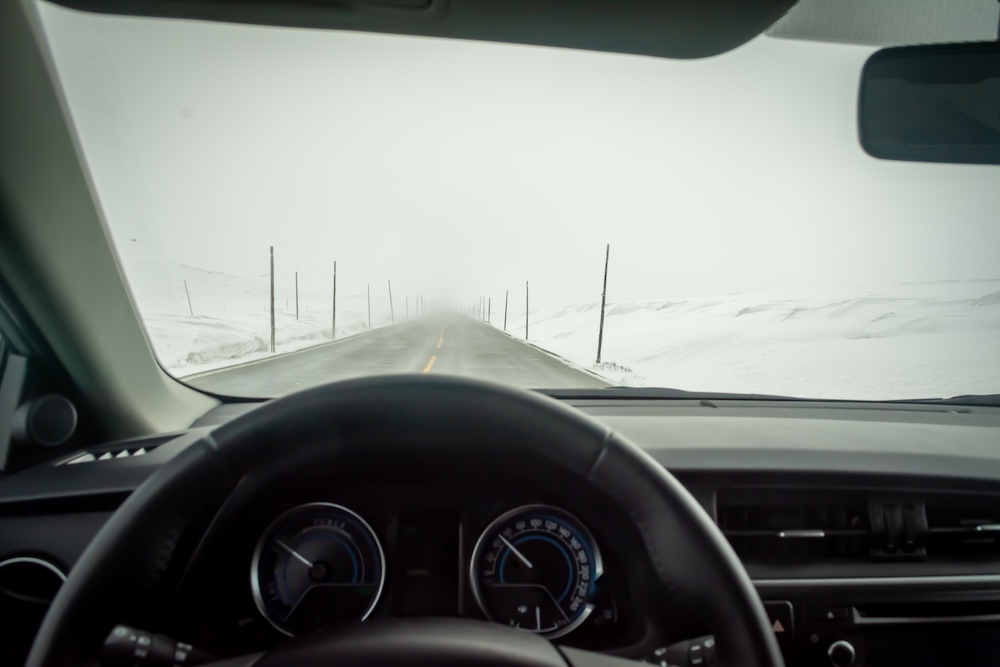
Casper winters ask a lot of drivers. Between the black ice on East 2nd Street, the wind gusts that shove your car sideways on the bypass, and the white-knuckle commutes after a fresh snowfall, your body absorbs more stress behind the wheel than most people realize. At Martens Chiropractic, we see a noticeable rise in neck and back complaints every winter, and the pattern is almost always the same: tense shoulders, a locked-up lower back, and a stiff neck that won’t turn all the way when checking a blind spot.
Cold weather driving doesn’t just make roads dangerous. It changes how your muscles and joints behave, and that combination creates the perfect setup for pain that lingers long after the drive is over.
Why Cold Temperatures Make Your Body More Vulnerable
Muscles and connective tissue lose flexibility as temperatures drop. Blood flow to the extremities decreases in cold weather because your body prioritizes keeping your core warm, which means the muscles supporting your spine are already working with less circulation before you even turn the key. Add in the natural tendency to hunch your shoulders and grip the wheel tighter when you’re anxious about road conditions, and you’ve got muscles that are cold, tight, and under more load than usual.
This is why a fender bender at 15 miles per hour in January can cause more soft tissue strain than the same impact would in July. The tissue simply isn’t as pliable.
The Bracing Posture Problem
Anyone who has driven through a whiteout on I-25 near Casper Mountain knows the posture. Shoulders creep up toward the ears. Hands clamp the wheel at ten and two instead of a relaxed grip. The neck juts forward slightly, trying to get a better view through the snow or a fogged windshield. Held for ten or fifteen minutes, this bracing posture is uncomfortable. Held for a forty-minute commute several days a week, it becomes a pattern your body starts to default to, even when the roads are clear.
Over a winter season, this repeated tension can lead to:
- Chronic tightness across the upper trapezius and base of the skull, often mistaken for tension headaches
- Reduced range of motion in the neck, making shoulder checks and reversing more difficult
- Lower back stiffness from sitting rigidly instead of settling into the seat
Minor Accidents Cause More Damage Than People Expect
Casper sees its share of low-speed slide-offs and parking lot fender benders every winter, and a lot of people walk away assuming they’re fine because there’s no visible damage to the car. Whiplash and soft tissue injuries don’t always show symptoms immediately. It’s common for stiffness or nerve-related pain to develop two or three days after a minor collision, once the initial adrenaline wears off and inflammation sets in.
If you’ve been in any kind of winter driving incident, even one that felt minor, it’s worth getting checked. Untreated whiplash can settle into chronic neck pain and reduced mobility that becomes much harder to resolve months down the line.
What You Can Do Before and After Winter Drives
A few habits make a real difference in how your body handles the season:
Warm up your car and your body before a long drive. Give your muscles a minute to loosen with some shoulder rolls and gentle neck stretches before you’re locked into a seated position for a commute.
Adjust your seat and headrest properly. A headrest that’s too low or too far back forces your neck into an unsupported position, which becomes a bigger problem if you hit a patch of ice and have to brake hard.
Take breaks on longer drives. If you’re heading out toward Glenrock or up to the mountains, stop and move around every hour or so. Sitting rigid in a bracing posture for two straight hours is hard on your spine no matter how careful you’re driving.
Pay attention to early stiffness. A tight neck or sore lower back that shows up a day or two after a stressful winter drive is worth addressing before it becomes a recurring issue.
Getting Help Before Pain Becomes a Pattern
Winter in Casper is not something you can avoid, but the toll it takes on your neck and back doesn’t have to become routine. Chiropractic adjustments help restore proper alignment and range of motion after weeks of tense, bracing posture, and treatments like dry needling can release the deep muscle tightness that builds up from gripping a wheel through icy conditions.
If winter driving has left you dealing with a stiff neck, sore shoulders, or lower back pain that hasn’t let up, the team at Martens Chiropractic can help you figure out what’s going on and get you back to moving comfortably before the next storm rolls through. Schedule a visit and let us take a look before small stiffness turns into a winter-long problem.